

What happens when a teenager reaches out for support and finds another young person ready to listen?
At Here App, we believe those moments of connection can make a meaningful difference. Now, research conducted in collaboration with San Diego State University (SDSU) is helping us explore the science behind that belief.
Led by Dr. Sylvanna Vargas, a clinical psychologist and researcher specializing in youth mental health and suicide prevention, this work is examining how peer-to-peer support functions and what we can learn from the conversations taking place on platforms like Here App.
The findings offer an encouraging opportunity to better understand the role trained young people can play in supporting their peers.
What We’re Learning from Teen Conversations
One analysis discussed by Dr. Vargas examined more than 1,500 conversations on Here App, looking at how young people communicate during moments of emotional distress.
The research identified promising patterns, including de-escalation during conversations, changes in emotional language, and reductions in suicide-related communication over the course of exchanges with trained Teen Advisors, now called Peer Supporters.
These observations are meaningful because they allow researchers to study what happens within real peer-support conversations, rather than relying exclusively on what participants report afterward.
Importantly, changes in language during a conversation do not necessarily demonstrate lasting improvements in mental health or reductions in future suicide risk. Further research is needed to understand those outcomes.
Still, the findings offer valuable insight into how young people respond when someone their own age listens, validates their experiences, and helps them navigate difficult emotions.
The Skills Behind the Support
Here App’s approach to peer support is built around the idea that young people can offer meaningful connection when they receive the right preparation and ongoing supervision.
Our Peer Supporters complete more than 40 hours of training, learning skills such as reflective listening, empathy, validation, coping strategies, and Motivational Interviewing.
Motivational Interviewing is a collaborative communication approach that helps people explore their own feelings, motivations, and possibilities for change.
Rather than immediately offering advice or telling someone what to do, Peer Supporters learn to ask thoughtful questions, reflect what they’re hearing, and help other teens identify their own next steps.
These skills are particularly valuable during adolescence, when young people are developing independence, forming their identities, and learning how to navigate complicated emotions and relationships.
Additional research examining thousands of conversations across two teen-to-teen mental health helplines has explored how closely peer-support practices align with Motivational Interviewing principles.
That work highlights promising strengths in existing peer-support approaches while identifying opportunities to further strengthen training and communication skills.
For Here App, research isn’t simply about measuring what we’ve already accomplished. It’s also about learning how to do the work better.
Bringing Research into the Community
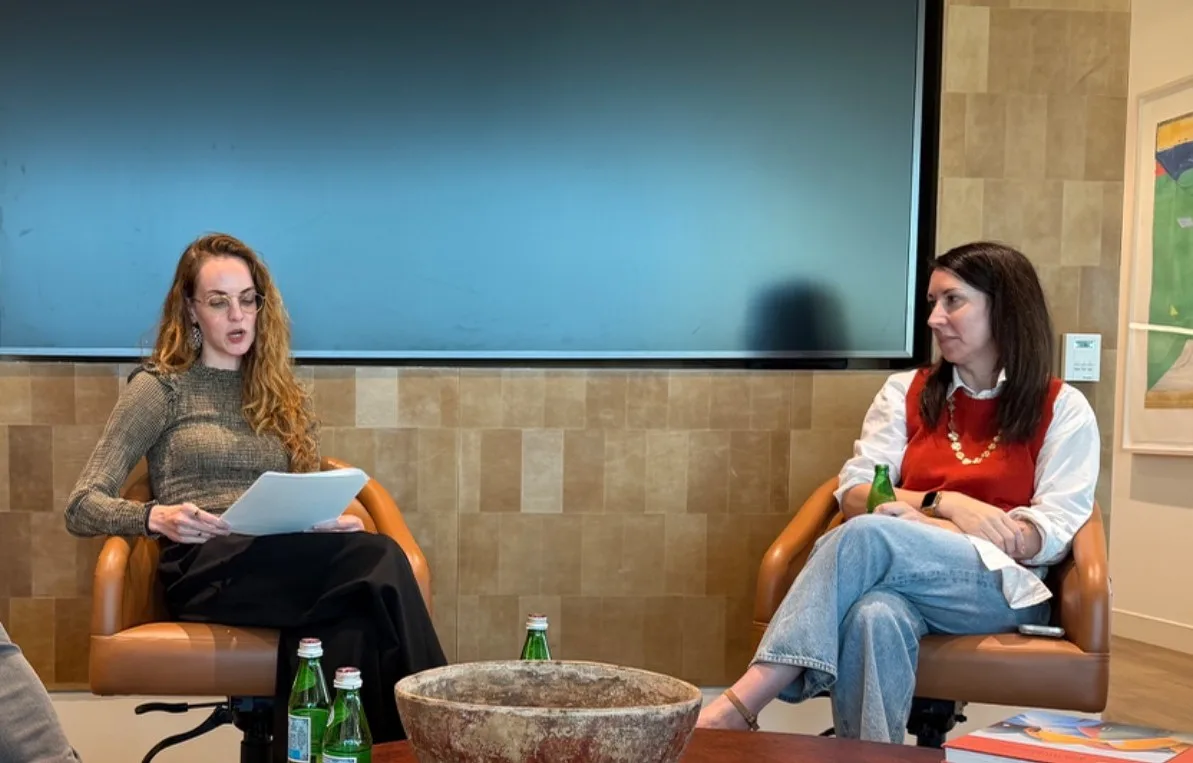
In May, we had the opportunity to bring these conversations beyond the research setting when Here App hosted an intimate salon with Dr. Vargas and members of our community.
The gathering created space to discuss the youth mental health crisis, barriers to accessing care, and the potential role of supervised peer support in reaching young people who might otherwise go without help.
One of the most important themes was the need to think beyond traditional models of mental health care.
Therapy and clinical treatment remain essential resources, but not every teenager has access to them. And even for those who do, difficult moments don’t always happen during an appointment.
A teen might feel overwhelmed after an argument with a friend, struggle with anxiety late in the evening, or simply need someone to listen when they feel alone.
These experiences don’t always require clinical intervention, but they still deserve attention and support.
Here App was created to help fill that space.
Through our free, anonymous app, young people ages 13 to 19 can connect with trained peers who understand what it feels like to navigate adolescence today. Licensed supervisors oversee conversations and help manage situations requiring additional intervention.
Here App is not therapy or a replacement for crisis services. It is an additional layer of support, designed to make connection more accessible and help young people feel less alone.
Investing in the Next Generation of Supporters
Our commitment to strengthening peer support begins with training.
During the first six months of 2026 alone, Here App delivered more than 2,100 hours of Peer Supporter training, preparing young people to respond to others with empathy, skill, and care.
But the benefits of this training extend beyond the app.
Peer Supporters are developing communication skills they can carry into their friendships, families, schools, and future careers.
They are learning how to listen without judgment, approach difficult conversations with curiosity, and recognize when someone may need additional help.
In that sense, Here App is doing two important things at once: creating an accessible source of support for teens who reach out and preparing a generation of young people to become more compassionate, confident supporters in their own communities.
Looking Ahead: Research, Learning, and Connection
Our collaboration with SDSU represents an important step toward understanding and strengthening youth peer support.
By examining real conversations, identifying effective communication practices, and learning where improvements can be made, research can help inform the next generation of training and support.
We’re grateful to Dr. Vargas and the research team for their work, and to the supporters who joined us in May to explore these questions together.
Most importantly, we’re grateful to the young people who make Here App possible, those who reach out when they need someone and those who show up to listen.
At Here App, we believe connection shouldn’t have to wait until a crisis.
Connection before crisis. That’s the future we’re working to build.